The Bubby booklet
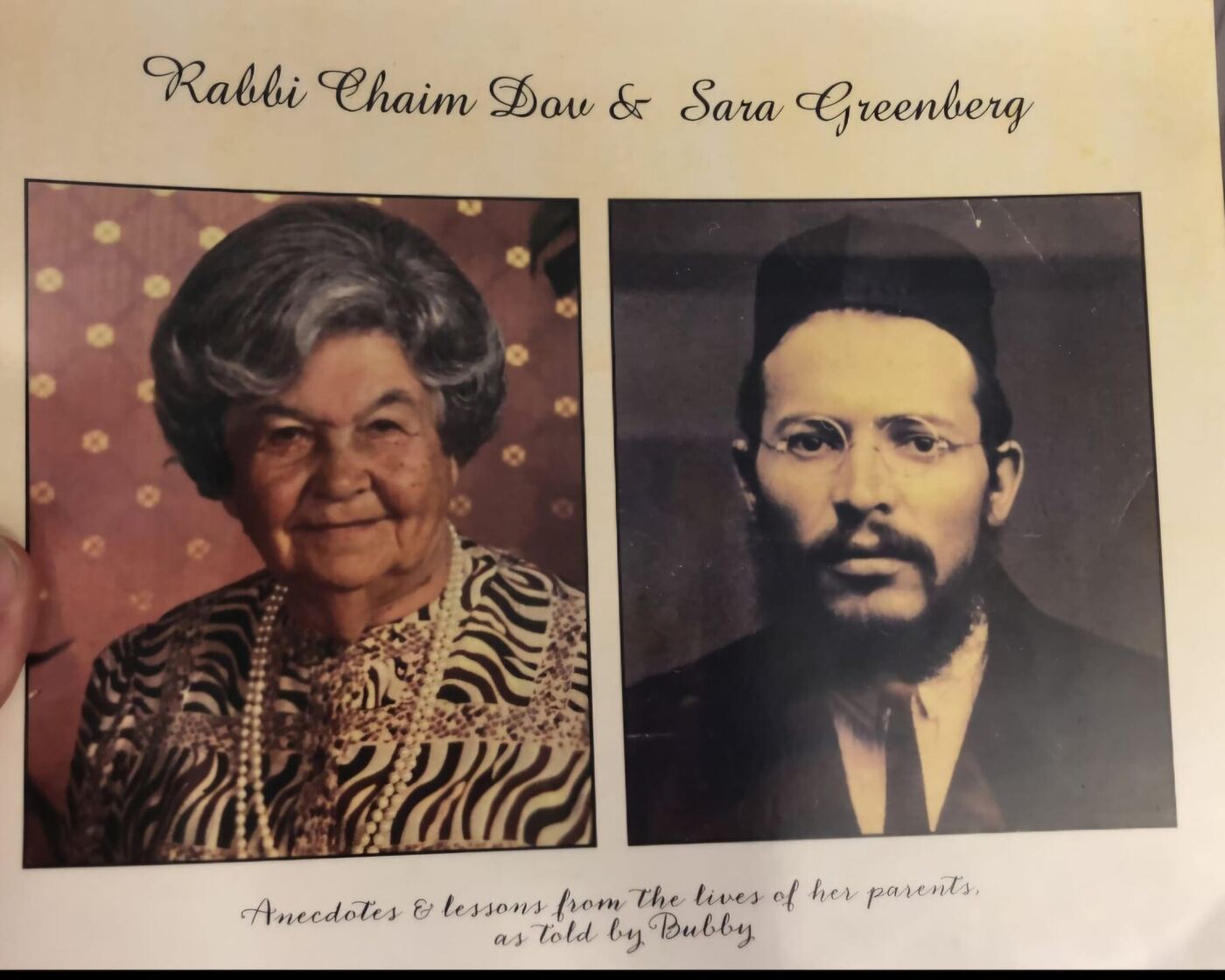
Chaim Dov and Sara, as their daughter told it
From the family recollections booklet: the memoir of Rebbetzin Malka Feinstein, typed by Baila Rosenbaum. What follows keeps her telling, condensed.
Sara of Trilisk
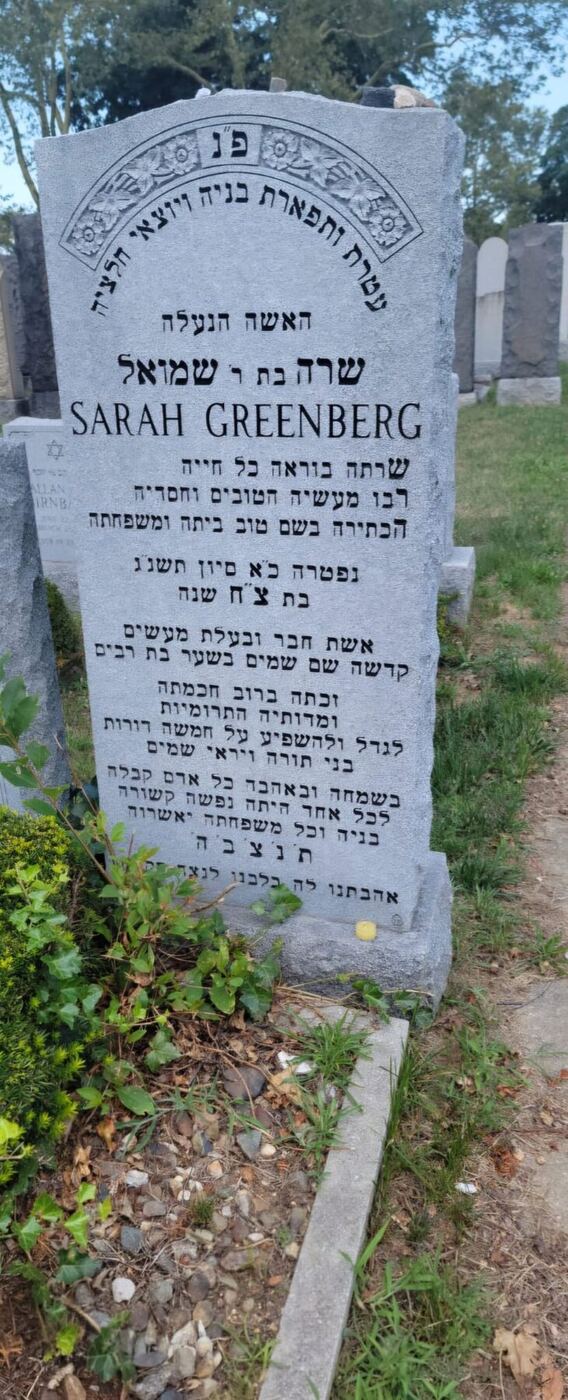
Sara Warshavsky became a yesoma at three, when her father Shmuel passed away. Shmuel and his first wife had four children; after her death he remarried her sister, Faiga Miriam, and they had two daughters - Bail’ke and Sara. The family were dairy farmers on the outskirts of Trilisk, near Pinsk, comfortable enough that Zeidie Shmuel left nadin for both young daughters. The two older brothers stayed in Europe and perished with their families in the Holocaust; the two older half-sisters emigrated to Connecticut before the First World War; Bail’ke survived the war in Europe and came after.
When Bail’ke was offered a top shidduch and her nadin was not enough to clinch it, Sara gave her sister her own.
“I don’t have to worry about what’s going to be tomorrow. We know what’s now.”
Chaim Dov of Yanov
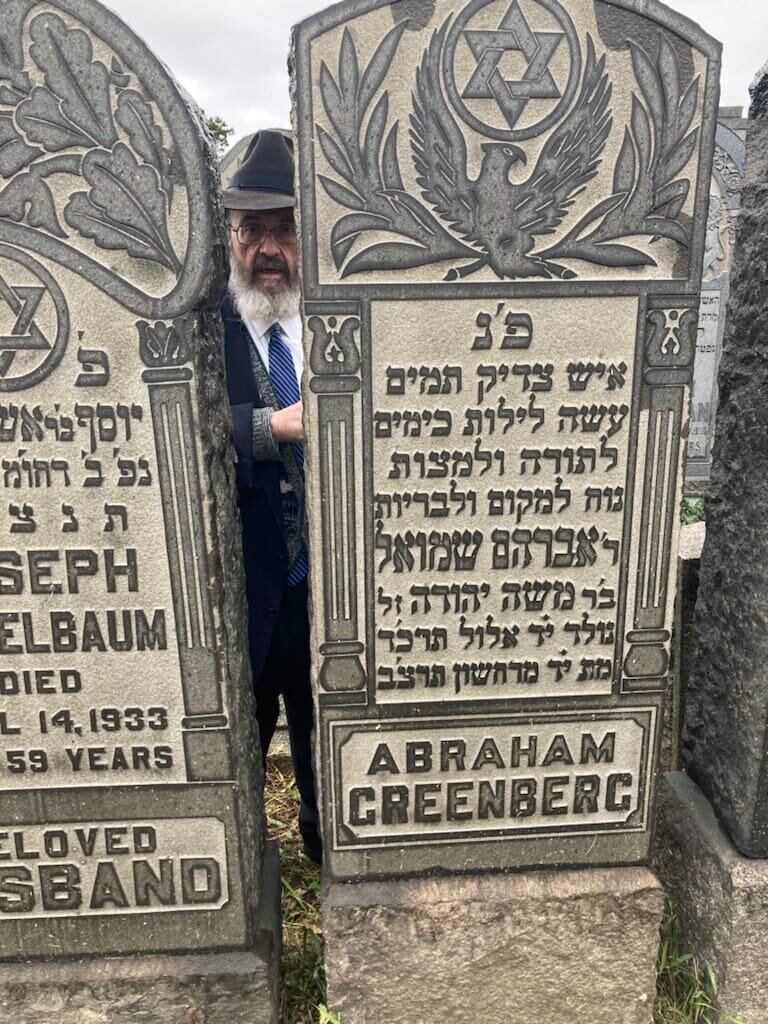
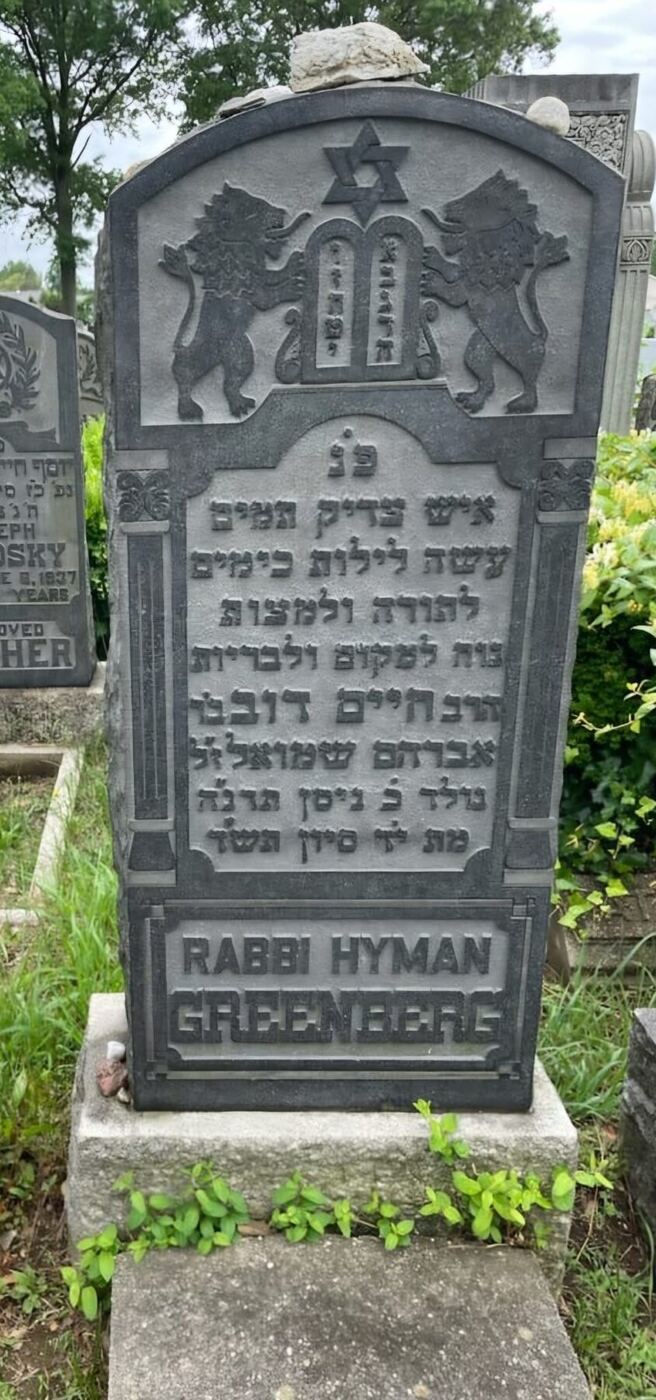
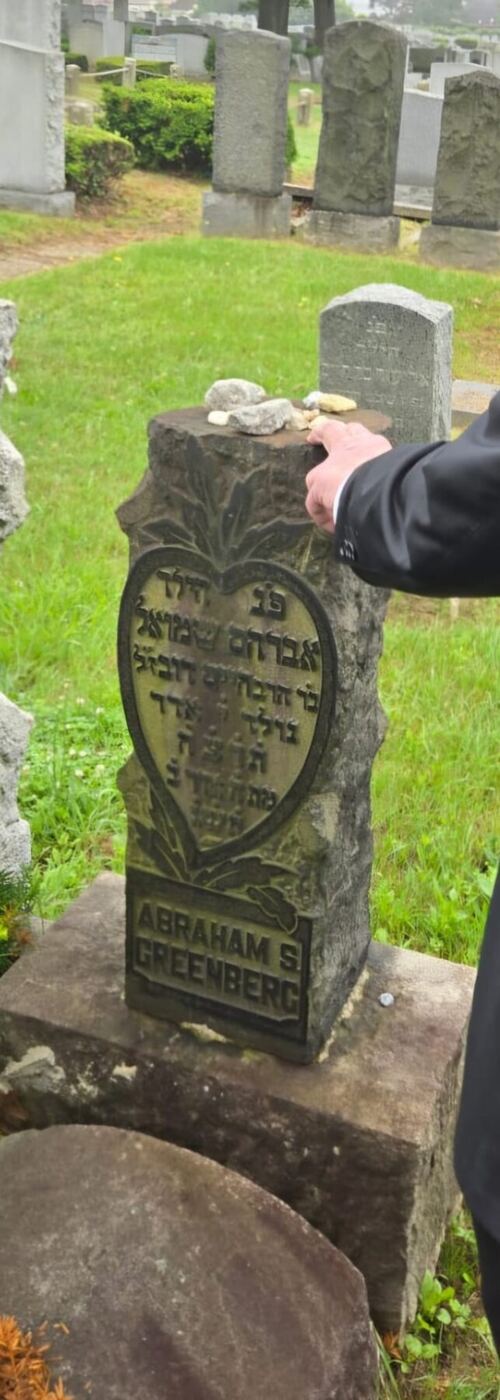
Chaim Dov’s father, Rav Avrohom Shmuel, was the town melamed of Yanov. Chaim Dov learned by Rav Boruch Ber Leibowitz in Slabodka, before Rav Boruch Ber went to Kamenetz, and the letter Rav Boruch Ber wrote for him - attesting to his level of learning and his fitness to take a job as a rav or melamed - is still in the family. He never wanted rabbanus; he and Sara decided that before they left Europe. Instead he learned shechita and earned kabbalah from Rav Walkin of Pinsk.
He had lost his mother young - presumably, the memoir says, in the flu epidemic that hit Russia between 1889 and 1891 (see the open questions below). Without a mother, he took his shidduch into his own hands and asked the town tailor, a family friend, to speak for him with “Sarah Trilisker,” who was in Yanov caring for her brothers’ children, sent there for schooling. His father did not say no. They married in 1918 or 1919.
Bridgeport
In Yanov, Sara ran a fabric shop and supported the family while Chaim Dov learned - almost unheard of in those years. By the time they had three children they decided on America: her half-sisters were there, and his whole family had already emigrated. The Yanover landsmanshaft sent paperwork naming him a rav, which an immigrant needed to show support. They landed in New York in 1927 or 1928, stopped briefly in Hartford, and settled in Bridgeport, where he found a shechita position. Malka was born there in Nissan 1931, the first of the family born in America; Avraham Shmuel followed six years later.
It was a happy, open home - meshulachim stayed with them because of its kashrus and Shabbos standards. Two stories the family repeats: the meshulach discussing a shidduch for the other shochet’s daughter, at which Chaim Dov came home distressed - “The shochet asked a hundred questions. But he didn’t ask if the boy was a yireh shamayim!” And the meshulach who pressed him on Shabbos to switch his grocery business to a new store on Lee Avenue, until Chaim Dov stood and showed him the door, then sat back down white in the face at how many aveiros had filled one visit. When his regular grocer was a shomer Shabbos, that was where the family bought.
Bridgeport built shuls but not yeshivos. “Vos velt zain fun Maishel?” Chaim Dov used to worry. A meshulach told him of rooms to board near Yeshiva Torah Vodaas, and the next day father and son were on a train to Williamsburg. Maishel was eleven.
Williamsburg and Seagate
In 1938 an acquaintance, Binyomin Skydelski, connected Chaim Dov with an open shechita position. Positions were bought into, like a practice, and the family managed it. They moved to a three-family house on Rutledge Street, then the outskirts of Williamsburg, where a sewing machine that folded into a table served Chaim Dov as a desk for learning.
In the summer of 1942, so that four-year-old Avraham Shmuel would have somewhere to play, the family went to Seagate - and there met Rav Moshe and Rebbetzin Shima Feinstein, who became close, lifelong friends. R’ Reuvain Feinstein, the same age, played with Avraham Shmuel.
That Adar, on an erev Shabbos, Avraham Shmuel was killed outside - probably a hit and run. Sara lay on her bed and cried, because she was a mother. Chaim Dov came in and said: “Sarah, mir vaint nisht of Shabbos. We don’t cry on Shabbos. Shabbos is lishem mitvos, nisht far aveilus.” She got up, washed her face, and it was Shabbos in the house.
Three months later, just after Shavuos 1943, Chaim Dov went to work and did not come home - a massive heart attack. He was 49, and left Sara a 49-year-old almana. Malka, twelve, found the note on the door, could not reach her siblings, and called the Feinsteins; she sat at the window and watched Rav Moshe and Rebbetzin Shima hurry up the block from the trolley.
Sara alone
Everyone advised her to keep the shechita position and let Maishel take it over. She would not: “Maishel is going to learn.” She knew the slaughterhouses and what controlled them, and sold her stake at a loss, knowing she was being rooked. Rav Moshe went to the higher-ups to advocate for her; it went exactly as she predicted, and he came back saying, “Mrs. Greenberg is zayer a kluger.”
She sent Maishel to Telz in Cleveland, where every boy lived in the dormitory and he would not be the obvious yasom - and paid for a sleeper car so he would arrive fresh and ready to learn. She took risks, too: she bought a Seagate mansion, furnished it second-hand, and made it a year-round rooming house, renting to families visiting servicemen at Fort Hamilton, washing the hallways herself. “She never complained,” her daughter writes. “People complained to her!” For years she battled a heart condition; when she was well, she was 100% well.
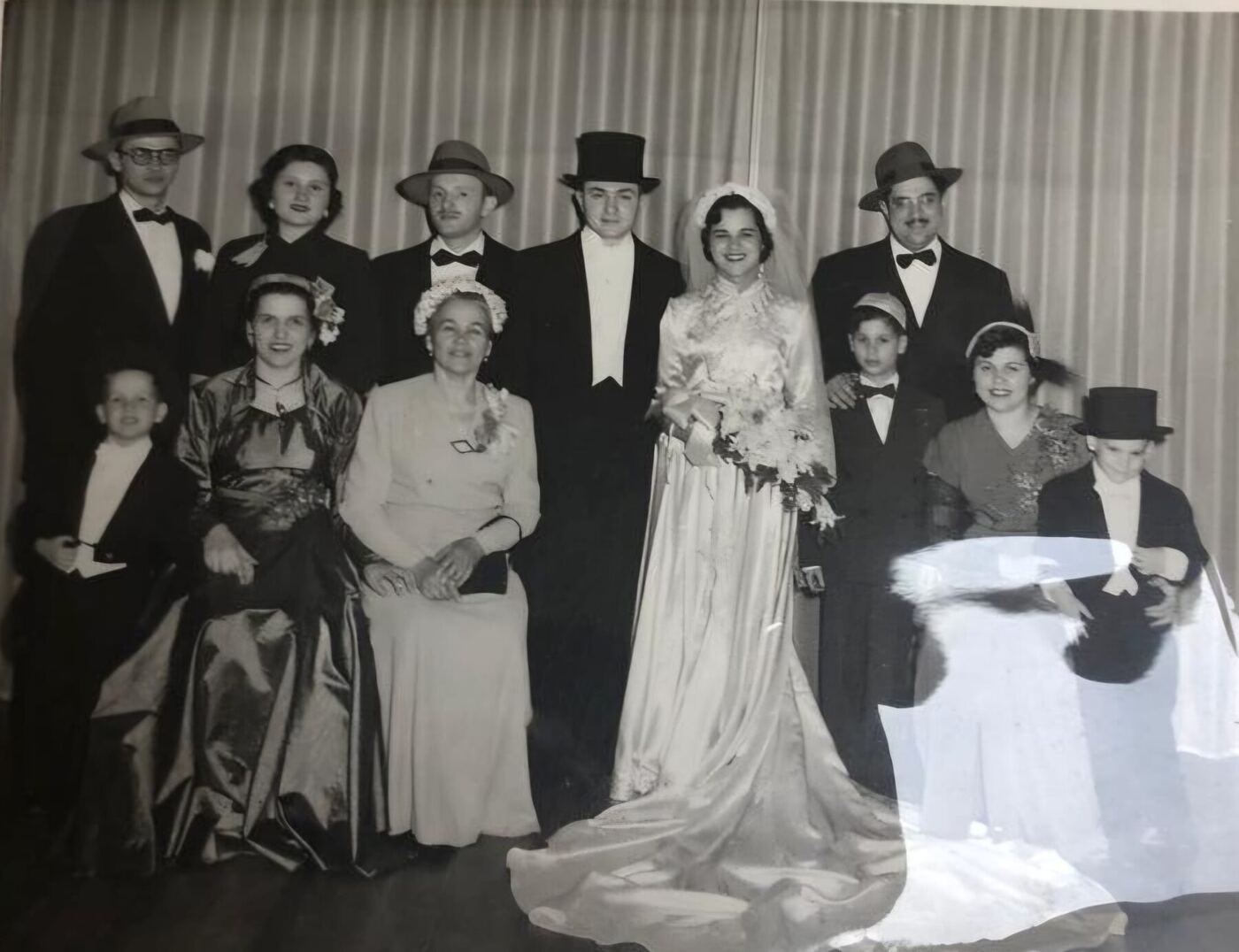
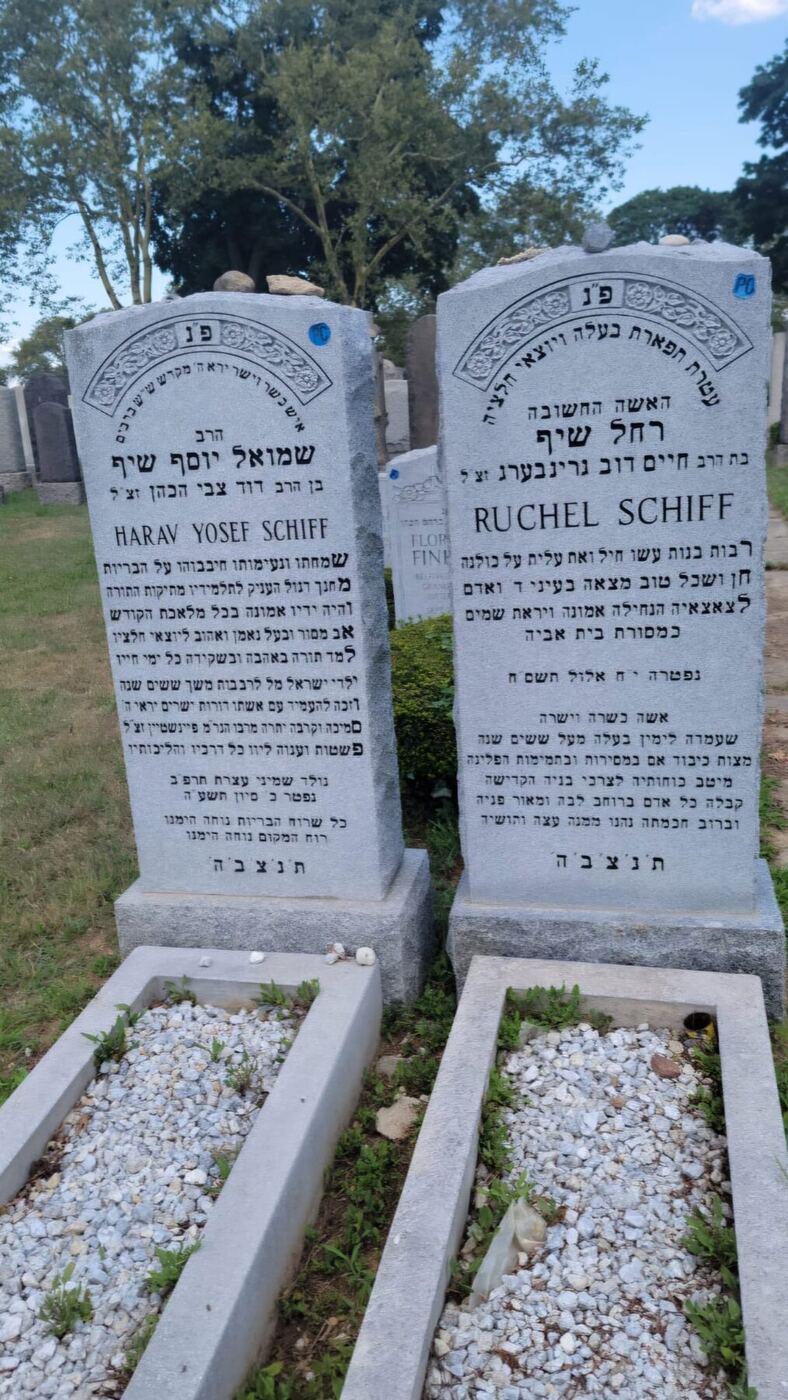
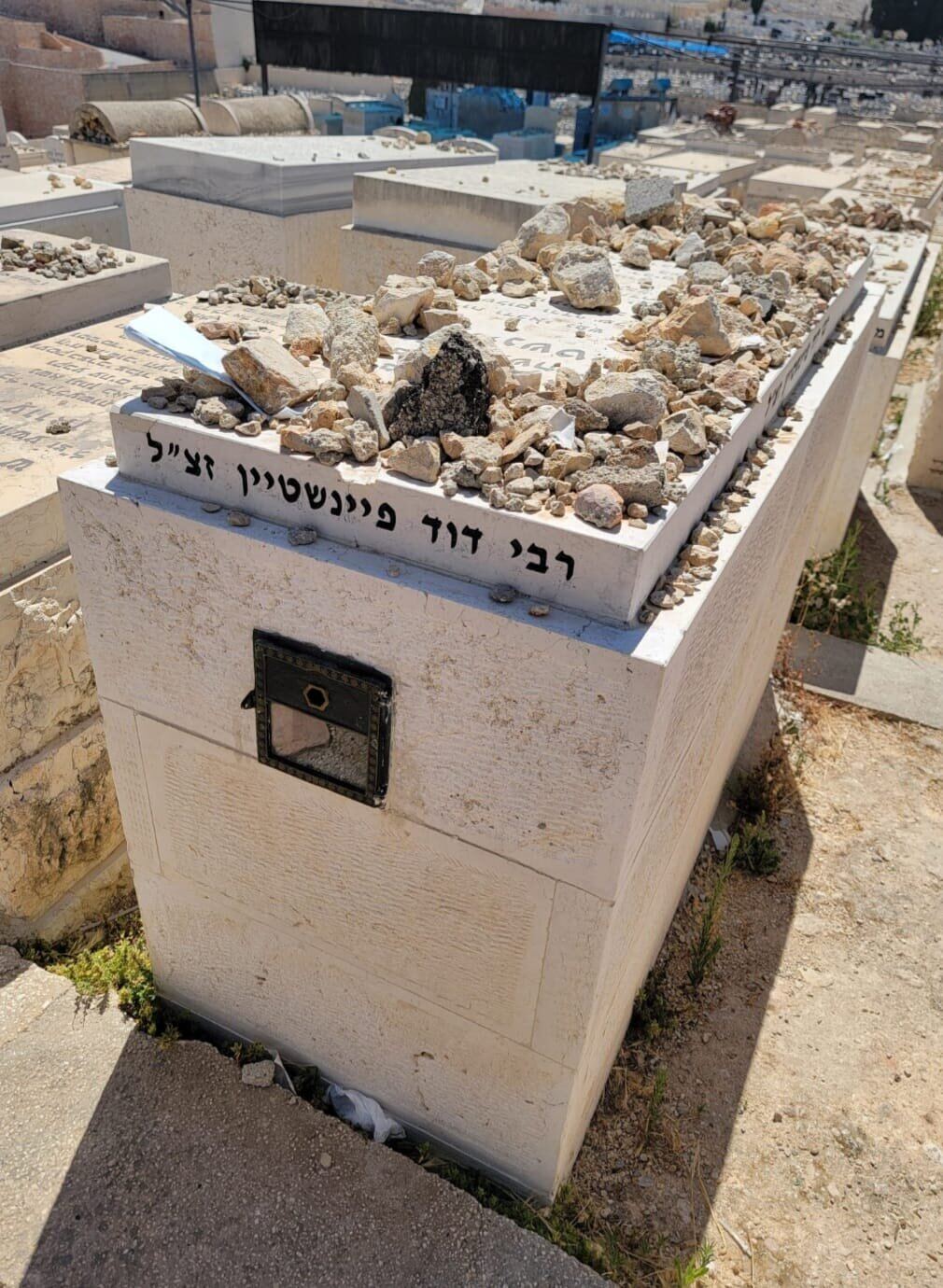
Maishel married Evelyn (Chava Leah), Malka’s friend since seventh grade - “You finally have one decent friend!” he told his sister, a comment that riles her still. He went to college only after he was married with a family, became a musmach of Rav Moshe Feinstein, and served as rav of Young Israel of Midwood. Chaya Leah married Avrohom Rudensky; Ruchel married Rabbi Yosef Schiff; Malka married Rav Dovid Feinstein.
“I was just thinking about how I have so much nachas, and my husband never lived to see it.” - Sara, in her last years, caught davening and crying in Ruchel’s home
The memoir closes: “My parents, Chaim Dov (Berel) and Sarah Greenberg, merited to produce not only four generations of frum children, but four generations of bnei Torah and yirei shamayim. This is a legacy that I want my children and grandchildren to know, to understand and to preserve.”